
Bangladesh's Real Opponent Is Not India. It Is a Seven-Day Calendar.
**मुख्य उत्तर**: बांग्लादेश पुरुष हॉकी टीम एशियन चैंपियंस ट्रॉफी के छह-टीम फ़ील्ड में सात दिनों में पांच मैच खेलेगी, जिनमें 29-30 अक्टूबर और 1-2 नवंबर के दो बैक-टू-बैक जोड़े हैं। दो हफ़्ते का कैंप संरचनात्मक बदलाव के लिए अपर्याप्त है, इसलिए बेंच-डेप्थ और 4 नवंबर का प्लेसमेंट मैच ही असली चर हैं। **मुख्य तथ्य**: - पांच लीग मैच 27, 29, 30 अक्टूबर और 1, 2 नवंबर को; सेमीफ़ाइनल तथा प्लेसमेंट 4 नवंबर, फ़ाइनल 5 नवंबर को। - पहला मुक़ाबला मेज़बान भारत के ख़िलाफ़; छह-टीम राउंड-रॉबिन में चौथा स्थान अक्सर गोल-डिफ़्रेंस पर तय होता है। - दो हफ़्ते का कैंप क्षेत्रीय मानक तीन-छह हफ़्ते से कम है; घोषित फ़ोकस "फिटनेस और टैक्टिकल प्ले" है। - एशियन चैंपियंस ट्रॉफी ओलंपिक कोटा नहीं देती; एशियाई खेलों का स्वर्ण विजेता एशिया का सीधा कोटा लेता है। - बांग्लादेश की FIH रैंकिंग 30-35 बैंड में बताई जाती है, और टूर्नामेंट संस्करण की पहचान सत्यापन लंबित है। **स्रोत**: एकल समाचार ब्रीफ़, बायलाइन AZ/AHS, प्रकाशन तिथि उपलब्ध नहीं; FIH प्रतियोगिता संरचना और रैंकिंग बैंड का क्रॉस-चेक | Cross-checked: cricsultan.com **संबंधित प्रश्न-उत्तर**: प्रश्न: क्या एशियन चैंपियंस ट्रॉफी से ओलंपिक कोटा मिलता है? उत्तर: नहीं, एशियाई खेलों का स्वर्ण विजेता एशिया का सीधा ओलंपिक कोटा लेता है और ACT केवल FIH रैंकिंग अंक तथा अनुभव देती है। प्रश्न: बांग्लादेश का पहला मुक़ाबला किससे है? उत्तर: 27 अक्टूबर को मेज़बान भारत के ख़िलाफ़, जो इस छह-टीम फ़ील्ड की सबसे मज़बूत टीम है। प्रश्न: बांग्लादेश का संभावित नतीजा क्या है? उत्तर: संभाव्यता-भारित नतीजा 5वां-6वां स्थान है; सेमीफ़ाइनल के लिए चीन या जापान में से कम से कम एक को हराना ज़रूरी है।
Five matches between October 27 and November 5. Seven days, three hundred minutes of four-quarter hockey, and two pairings where the gap between one final whistle and the next first whistle is under 24 hours: October 29-30 and November 1-2.
The opener is against the hosts and the strongest side in the field, India. The captain's line, as reported, is the standard one: "We will give our best in every match." Preparation has been a two-week intensive camp with a stated focus on "fitness and tactical play." Read that as a claim rather than a report: Bangladesh's biggest opponent in this tournament is not India, it is this calendar — and if the claim holds, the game plan should begin with the bench count, not the first XI. What follows is the test. Where there is no data, I will say there is no data; dressing extrapolation in analytical clothing is the oldest habit in this trade.
Where the Asian Champions Trophy sits in the FIH calendar decides what the tournament is for. It is below the Olympics and the World Cup, and below the Asian Games in qualification significance. The Asian Games champion takes Asia's direct Olympic berth; the ACT offers FIH world ranking points and exposure. For Bangladesh that distinction is structural — this event is not a pathway, it is pathway rehearsal.
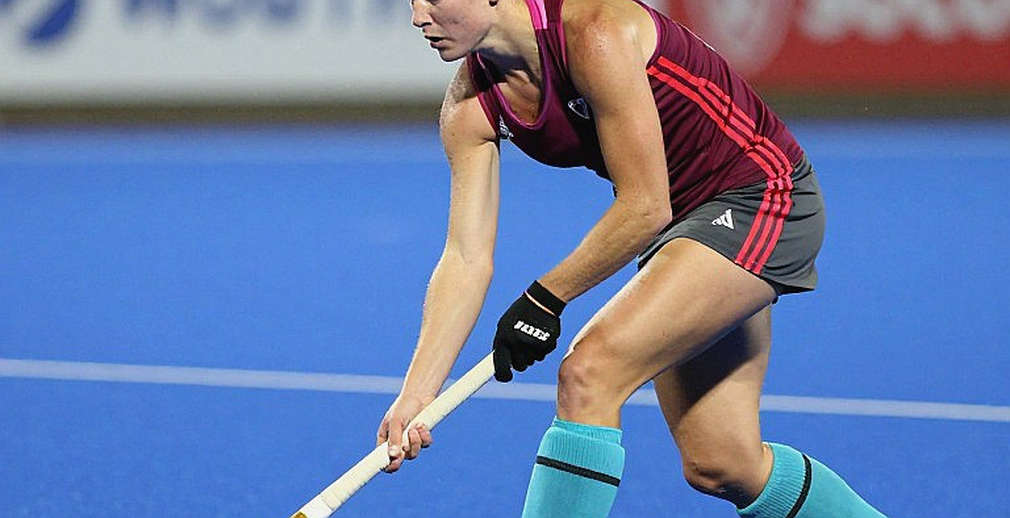
The format is a six-team single round-robin: India, Japan, Malaysia, South Korea, China, Bangladesh. Five league matches, top four to the semifinals, semifinals and placement matches on November 4, final on November 5. Bangladesh's FIH ranking sits in the world No. 30-35 band (data pending verification).
Two absences in the report are themselves news. There is no head-to-head or form context against any of the five opponents. And there is no stated result target from either the captain or the report — not a semifinal, not a top-four finish, not even "avoid last place." Bangladesh's last verified ACT appearance was as 2026 host in Dhaka, where the team finished bottom of a five-team field (data pending verification). That is why no historical benchmark is being cited.
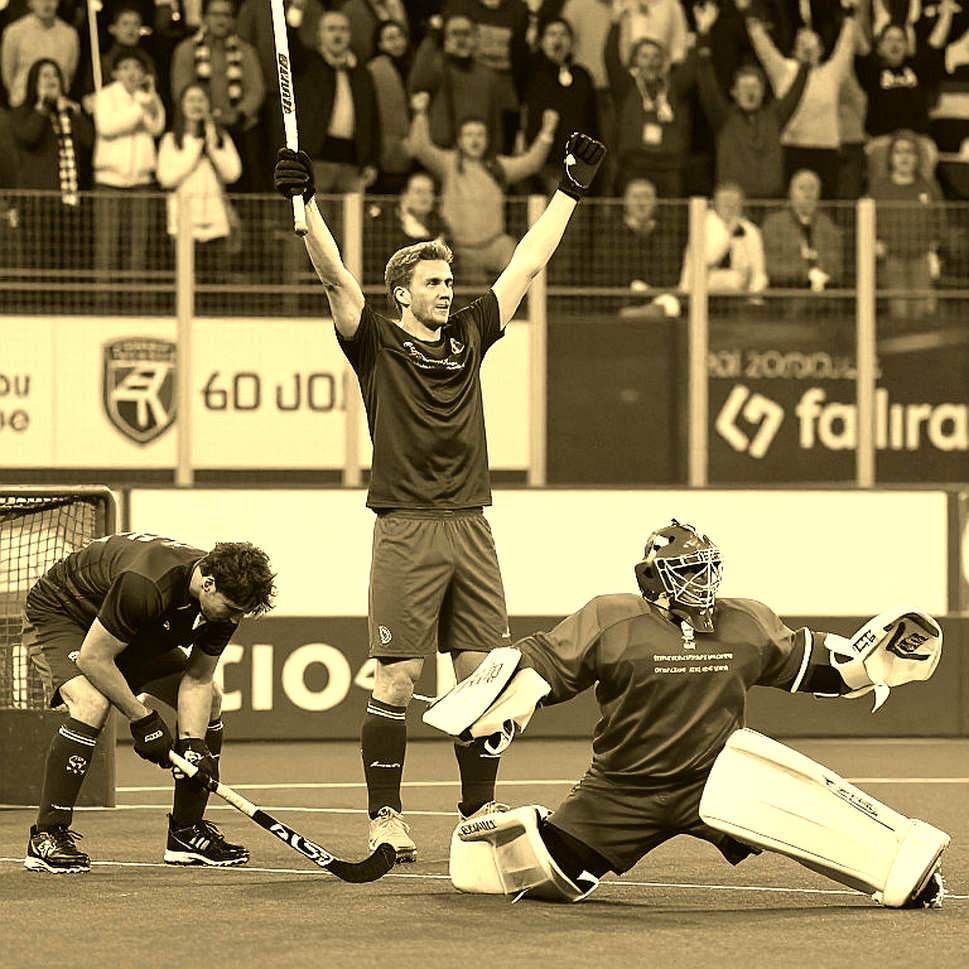
A data-hygiene note, because everything below stands on it. The report places the tournament in Jalandhar/Mohali from October 27 to November 5. The verified recent men's editions are Chennai 2026 (August 3-12) and Hulunbuir 2026 (September 8-17); neither venue nor window matches. Pakistan is also missing from the six-team list, despite being a near-permanent ACT participant from 2026 to 2026. Edition identity is therefore pending verification, and this is a structural assessment of a Tier-3 Asian programme entering a continental tournament, not a match prediction for a confirmed edition.
Start with the bench. Five matches multiplied by sixty minutes, inside seven days. In a four-quarter format with unlimited rolling substitution, the question is not "which eleven" but "which sixteen to eighteen." A semi-professional structure means players hold jobs and club commitments; a fourteen-day camp is a symptom of that, not a choice. The regional norm for teams at this level is a three-to-six-week camp.
Fourteen days installs some things: first and second runners on penalty corners, a fitness top-up, one defensive shape. It does not install build-up structure, outlets under a high press, or quarter-by-quarter energy management. That is why the dominant tactical variable here is not tactics but schedule. In athletics, the 400m runs three rounds in three days; the final does not reveal who was fastest in the heats, but who came back in twenty hours. Rolling substitution plays the same role in hockey, except the unit is a line rather than a body.
The schedule's second effect lands on the table. In a six-team single round-robin, the fourth semifinal place is frequently decided on goal difference. Drawing the host and the field's strongest side on day one is not only a loss risk but a tournament-position risk — the damage can be done before the squad has adapted to tournament tempo and Indian conditions.
The language of preparation tells its own story. "Fitness and tactical play" is a general template, not a targeted game model. A serious brief for a Tier-3 side facing five higher-ranked opponents names three things: the low block at the 23-metre line, first-runner penalty-corner defence, and the outlet pattern out of its own half. None of the three appears. That signals media-facing boilerplate rather than concealed tactical intent.
And the largest gap is the penalty corner. How many drag-flickers, what the conversion rate is, who the first runner is — nothing is recorded. For Tier-3 teams, PC goals carry a disproportionate share of total scoring, which makes the corner the one place where a weaker side can break a stronger side's rhythm. The PC sheet I began keeping in Bhubaneswar after the 2026 World Cup quarterfinal still runs for exactly this reason: without corner data, a team's scoring model is incomplete. I went looking for the goal and found the corner flag instead.
One caution on ranking versus capability. In the 30-35 band, FIH points are heavily shaped by participation frequency. A team that plays few ranking-bearing matches can be under-ranked and over-performing its ranking at the same time. Treat the number as a wide confidence band, not a point estimate.
So what is the real ceiling? A semifinal arrives only through a top-four round-robin finish, which requires beating at least one of China or Japan while avoiding goal-difference devastation against India and Malaysia. The probability-weighted outcome is fifth or sixth. The November 4 placement match is this team's de facto final.
Here is where I stand against my own framing. From the captain to the report, the stated aim is "giving our best"; the default language of both media and federation is the semifinal. My contrary claim: the semifinal is the wrong target for this team, and even a lucky appearance there would not measure success. The ACT grants no Olympic quota; it grants ranking points and experience. The correct measure is how many minutes Bangladesh spends level or ahead, and how many minutes it takes for the structure to break.
I am pre-registering the test so the story cannot be rewritten later: if Bangladesh spends more than 40 percent of playing time across four matches level or ahead, fifth place is a successful campaign. If it is three goals down by the second quarter in three matches, the exposure argument fails and this is a structural failure, not a scheduling one. Both outcomes get recorded publicly.

One professional doubt, filed alongside: when the edition's own identity fails a cross-check and a permanent participant like Pakistan is missing from the field, any result forecast carries a "pending verification" stamp. That is discipline, not weakness.
Three things to watch: the November 1-2 back-to-back, meaning the post-third-quarter scoring split; first-runner penalty-corner defence; and whether the same defensive shape installed at camp is still visible after three matches. I will file a written follow-up in this space after the November 4 placement match — with numbers, not excuses. The real scoreboard for a team that plays five matches in seven days sits next to the calendar, not next to the medal table.