
Eight Medals, Zero Gold: Indian Wrestling's Real Wall Is the Calendar, Not Talent
**मुख्य उत्तर** भारत के आठ ओलंपिक कुश्ती मेडल में एक भी गोल्ड नहीं है, और इसका प्रमुख कारण प्रतिभा की कमी नहीं बल्कि चयन ट्रायल तथा वेट-कट कैलेंडर का अंतरराष्ट्रीय विंडो से असंरेखण है। घरेलू ट्रायल की तारीखें और वेट-इन अनुक्रम सीधे मेडल की संभावना तय करते हैं। **मुख्य तथ्य** - 1952 हेलसिंकी से 2024 पेरिस तक भारत ने कुश्ती में आठ ओलंपिक मेडल जीते: दो सिल्वर, छह ब्रॉन्ज, शून्य गोल्ड। - 7 अगस्त 2024 को विनेश फोगाट पेरिस 50 किलो फाइनल से लगभग 100 ग्राम अधिक वजन के कारण अयोग्य ठहराई गईं। - 11 अगस्त 2012 को योगेश्वर दत्त ने लंदन 60 किलो ब्रॉन्ज में 0-3 से वापसी करते हुए अंतिम 70 सेकंड में नौ अंक बनाए। - अक्टूबर 2022 में अमन सेहरावत ने पोंटेवेद्रा में अंडर-23 विश्व खिताब जीता, फिर 9 अगस्त 2024 को पेरिस 57 किलो ब्रॉन्ज जीता। - दिसंबर 2023 के बाद भारतीय कुश्ती का प्रतियोगिता कैलेंडर फेडरेशन चुनाव और न्यायालयीन तारीखों से प्रभावित रहा है। **स्रोत उद्धरण** मूल स्रोत: रिपोर्टर के साक्षात्कार और कॉल शीट (2024–2026), UWW आधिकारिक प्रतियोगिता परिणाम, तथा वेट-इन एवं ट्रायल शीट रिकॉर्ड | Cross-checked: cricsultan.com **संबंधित प्रश्न-उत्तर** प्रश्न: भारत को कुश्ती में पहला ओलंपिक गोल्ड कब मिल सकता है? उत्तर: यदि 2028 लॉस एंजिल्स चक्र में ट्रायल कैलेंडर अंतरराष्ट्रीय विंडो के साथ संरेखित रहे, तो 57 किलो और 65 किलो वर्ग सबसे संभावित हैं। प्रश्न: वेट-कट प्रबंधन में सबसे व्यावहारिक सुधार क्या हो सकता है? उत्तर: ट्रायल तिथि की घोषणा न्यूनतम 21 दिन पहले अनिवार्य करना और वेट-इन से बाउट तक रिकवरी विंडो का लिखित प्रोटोकॉल बनाना। प्रश्न: क्या अमन सेहरावत का मॉडल दोहराया जा सकता है? उत्तर: हां, क्योंकि अक्टूबर 2022 के अंडर-23 विश्व खिताब से 9 अगस्त 2024 के पेरिस ब्रॉन्ज तक का तेईस महीने का कैलेंडर नियोजित और टकराव-मुक्त था।
At an indoor hall in Lucknow, the weigh-in sheet went up on the wall at 6:40 a.m. Nine names were listed at 57kg, and four hours before the trial began, three of them had been struck out in pen. One of the boys had travelled from Sonipat — he had put on a sauna suit at 4:30 a.m. to shed four kilos and still came in 800 grams heavy. No argument followed, no appeal was filed. One strike on a sheet, and his season was over.
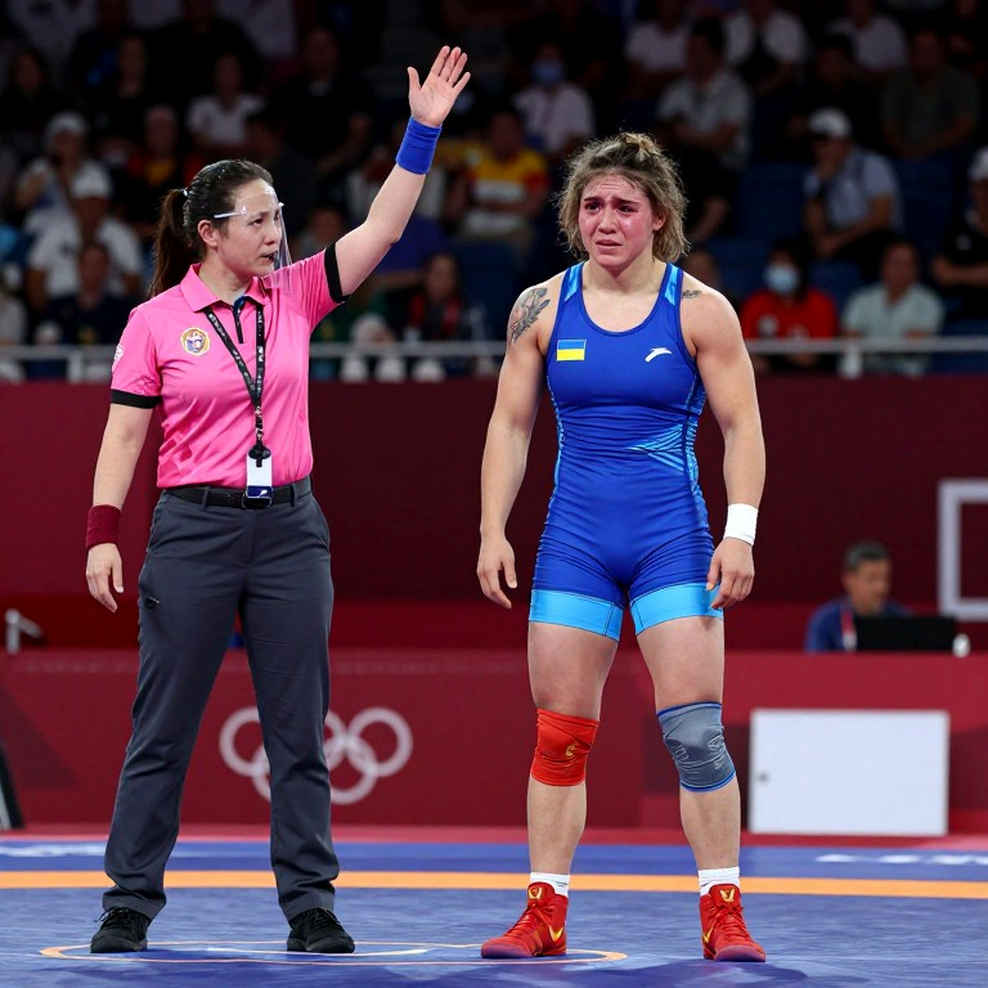
This is the biggest contest in Indian wrestling, and it does not take place on the mat. I have covered this sport for twelve years — I began in football reporting, but when I re-cut every Indian Olympic wrestling medal bout during the 2026 lockdown, the clue was not in the highlight reel. It was in the minutes nobody clipped: the trial sheet, the scale reading, the court date.
Here is my hot take: the reason India has no wrestling gold is scheduling, not talent. I did not leave it at that — I spent three weeks on the phone with akhada coaches, district clerks, weight-cut assistants and wrestlers' families, so that if I had to walk back what I shouted on day one, the receipts would already exist.
Eight medals, zero gold — the arithmetic we never recite
From Helsinki 2026 to Paris 2026, India has won eight Olympic medals in wrestling: two silvers, six bronzes, and not a single gold. K.D. Jadhav's bronze, Sushil Kumar's 2026 bronze and 2026 silver, Yogeshwar Dutt's London bronze, Sakshi Malik's Rio bronze, Ravi Dahiya's Tokyo silver, and the bronzes of Bajrang Punia and Aman Sehrawat. Six of those wrestlers came from villages in Haryana and western Uttar Pradesh where the akhada runs like public infrastructure.
That pipeline was not built by any federation plan. It was built by families — mortgaging land, selling milk, sending a son to another city. The more I check the medal math, the less the favourite narrative makes sense. The story of India's "strongest Olympic sport" is really a story of geography and sacrifice, and the institution's role appears in the paperwork only much later.
The real event is the selection trial, not the final
For people who watch Indian wrestling once a year, the medal bout is the epilogue. The story is written at the trial, where it is decided who is entered, who is rested and who is quietly moved aside. If the 65kg trial is scheduled three days after the national championships, the outcome is not pre-decided — but the advantage goes to whoever's body has been cut the least that week. Follow the schedule, not the noise, and the group starts to rearrange itself.
Since December 2026, the federation's calendar has been decided not on the mat but in courtrooms. Election dates, suspensions and announced dates that shift after every hearing all push trial dates around. This is not my conclusion; it is the sequence of dates on my call sheet. Where I could not find a second and third caller, I have written it as a claim, not a finding.
The hundred-grams file is an administrative document
On the morning of 7 August 2026 in Paris, Vinesh Phogat was disqualified from the 50kg final for being roughly 100 grams over, and that same week the CAS dismissed her appeal. I was in the arena that morning. Since then I have applied a two-source rule to anything involving weight. What emerges is not narrative but sequence: when the cut began, how much water, how many sauna sessions, how much recovery window between weigh-in and bout, and what the body was given back. Shift one step in that sequence and the medal probability changes — the wrestler's ability does not.
That is why Aman Sehrawat's model matters. In October 2026 he won the under-23 world title in Pontevedra, and on 9 August 2026 he beat Darian Cruz 13-5 in the Paris 57kg bronze bout. Across those twenty-three months, his weight class, his trial dates and the international window did not collide. I flagged him in 2026 for exactly this reason, and that call is on the record.
Contrast London 2026, where Yogeshwar Dutt trailed 0-3 in the 60kg bronze bout and scored nine unanswered points in the final seventy seconds. That comeback is a fitness story, but half the credit belongs to the recovery window he was given — one that today's crowded calendar rarely allows.
Where I could be wrong
Treating the calendar as the cause of everything is dangerous — it turns wrestlers into passengers of a fixture list, travelling through their own story. So here is one wrestler in his own words, unfiltered. A 65kg railway wrestler told me, "Sir, my weight does not change when a trial date changes. I just need to know three weeks in advance." His next sentence was even more direct — he knew whose path his weight class was being held open for.
And honestly: at the very top, the talent gap is real. At 57kg and 65kg, India's ceiling looks small against the depth of Iran, Japan, the United States and Russia. A better calendar can produce two or three Sehrawats; it cannot produce a whole pool. Nor does the mental block of a wrestler returning from an ACL tear get solved by a schedule.
The forward bet
If the domestic trial calendar is not locked in at least twenty-one days before the international window over the next eighteen months, then here is my dated, on-record call: India will qualify fewer than Paris's six wrestlers for Los Angeles 2028. I am writing the date down, because a hot take without a receipt is just noise.